Top Benefits of Moving Into a Memory Care Home for Elders
Business Name: BeeHive Homes of Draper
Address: 711 Pioneer Rd, Draper, UT 84020
Phone: (801) 495-3100
BeeHive Homes of Draper
Full service assisted living facility serving southern Salt Lake County offering all-inclusive Memory Care, Assisted Living, and Senior/Adult Day Care services.
711 Pioneer Rd, Draper, UT 84020
Business Hours
Making the decision to relocate a loved one right into memory care is rarely straightforward. For many households, it starts with a collection of small concerns that start to build up. A missed medication here, a pot left on the stove there, a mid-day roam that develops into panic. In the beginning, it is tempting to deal with each moment as separated. Then the pattern ends up being impossible to ignore.
That is frequently when households begin searching for memory care near me, wanting to find a place that really feels risk-free without feeling clean and sterile, structured without really feeling rigid, and encouraging without eliminating dignity. The most effective memory care homes do specifically that. They do not simply meet practical demands. They change the everyday experience of aging with dementia or related cognitive decline in ways that can be felt promptly by the senior and, just as notably, by the family around them.
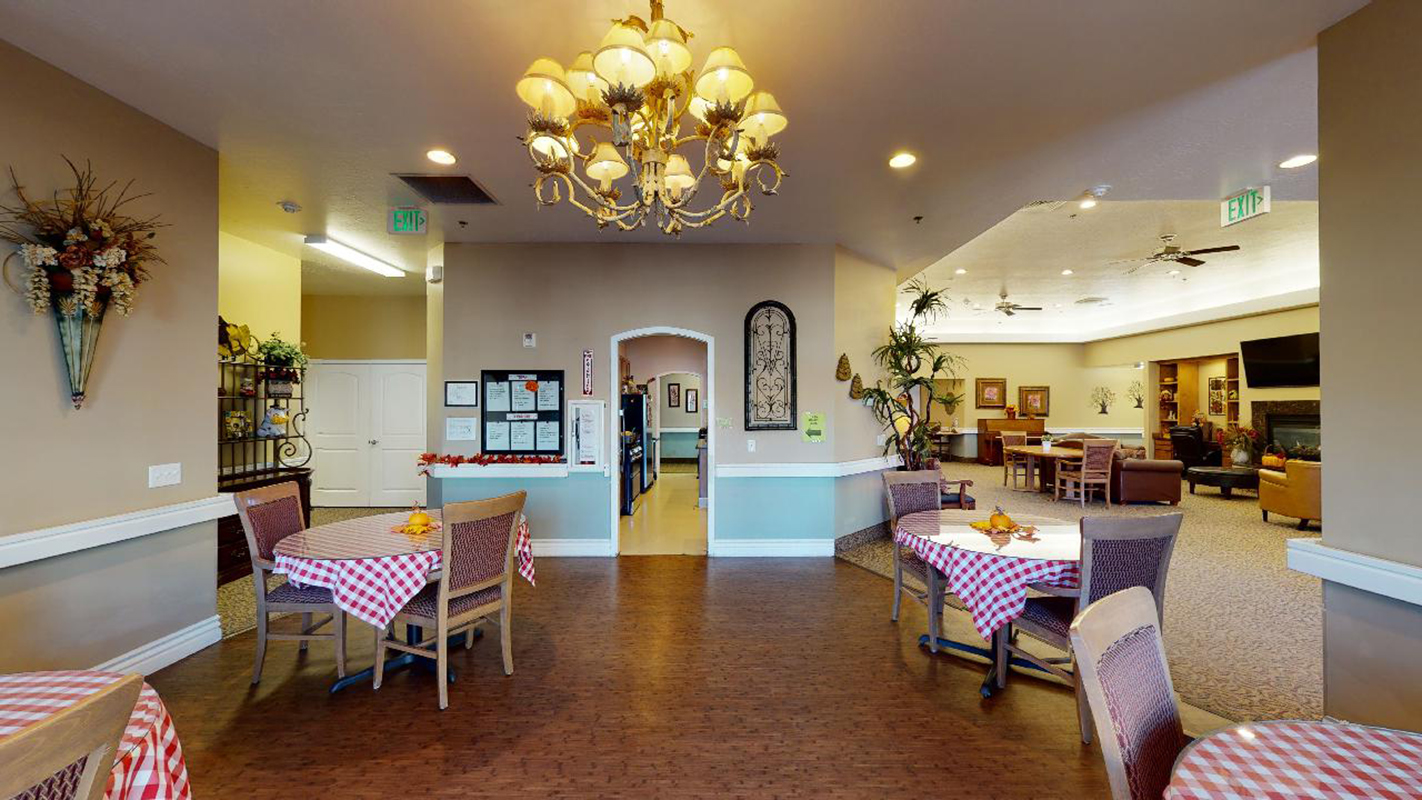
More safety, less constant crisis management
Safety is typically the first reason family members start considering memory care, and completely factor. Dementia changes judgment, orientation, and short-term memory in ways that can make an ordinary home feel full of concealed threats. Doors obtain left open. Stoves get turned on and failed to remember. Medications are doubled or skipped. A person who has actually always lived independently can unexpectedly become vulnerable to falls, dehydration, roaming, or complication in the center of the night.
A memory care home is developed around those realities. Hallways are easier to browse. Exits are protected in a way that avoids hazardous roaming while still allowing freedom of activity inside the area. Staff members are trained to observe when a resident appears dizzy, upset, starving, parched, or in danger of falling. That seems easy, but the daily impact is huge. Households no longer need to stay in a state of sharp all the time, questioning whether the phone will sound with negative news.
I have actually seen family members bring a degree of tension that approach fatigue long before the relocation ever takes place. They are doing their best, yet no person can safely monitor a loved one every waking hour for months or years at a time. Senior care at a memory care home moves the burden from one overextended home to a setting developed for the job.
Daily routines become steadier and simpler to manage
People living with memory loss tend to do better when the day has form. Excessive changability can bring about anxiousness, confusion, and behavioral modifications. Inadequate excitement can result in boredom, withdrawal, or uneasyness. Memory care homes are developed with that said balance in mind.
There is convenience in uniformity. Dishes are served at predictable times. Caregivers make use of acquainted rhythms for showering, dressing, and individual care. Activities comply with a routine that aids residents expect what comes next without needing to remember every detail. This kind of structure may appear ordinary from the outdoors, but also for somebody with dementia, it can be soothing in a manner that household caretakers often can not reproduce in your home regardless of just how hard they try.
Routine likewise decreases the number of choices a resident has to make in a day. That matters more than people understand. A senior living near me look commonly shows up areas that offer memory assistance especially because families observe just how much easier life gets when option overload is decreased. Instead of asking a person with memory loss to navigate a cluttered pantry, an active road, or a difficult medication routine, the neighborhood quietly cares for the friction points.
That does not imply residents are dealt with like youngsters or given a one-size-fits-all schedule. Great memory care homes still adapt to specific choices. A long time early riser can be up prior to breakfast. Somebody who delights in songs after lunch may have that constructed right into the day. The structure exists to sustain the individual, not flatten their personality.
Better supervision than many households can supply at home
Even one of the most devoted family members face restrictions. A spouse might be aging as well, with their very own health and wellness issues. Grown-up children might be managing job, kids, and lengthy drives throughout town. A home health assistant might just be there for a few hours a day. Memory loss does not value those schedules.
One of the strongest advantages of memory care is constant guidance. That does not suggest a resident is viewed in a chilly or invasive method. It suggests somebody is nearby to action in when a restroom journey becomes complicated, when a resident comes to be frightened, or when an individual that is typically calm beginnings pacing because something really feels off. Those small interventions can prevent a fall, a disagreement, a panic episode, or a hazardous decision.
This matters particularly during the night. Sundowning, which commonly brings more confusion or agitation in the late mid-day and evening, can leave families drained pipes. In the house, evening can become a stressful expect roaming or sleep loss. In a memory care home, team are already awake, already educated, and already prepared to react. That alone can recover a type of tranquility that family members have not really felt in months.
Social connection returns into the picture
Isolation can be one of the most uncomfortable components of dementia. A person that as soon as enjoyed conversation may quit connecting due to the fact that they can not track the thread. Another may grow silent because they are humiliated by lapse of memory. In your home, it is easy for days to come to be really small: the very same rooms, the very same tv, the same site visitors if anyone comes with all.
Memory care areas build social communication into the day, yet in gentler, extra achievable methods than many individuals anticipate. Residents may join an easy craft activity, pay attention to familiar songs, fold towels, water plants, or go to a small group discussion. The point is not busywork. The point is interaction that really feels possible.
I have actually seen residents who barely talked at first begin to illuminate throughout a familiar song from their young people. I have seen an individual who can no longer comply with a long conversation still smile and add when speaking about an old dish or a home town memory. These minutes matter since memory care is not only regarding keeping a person safe. It is about preserving connection, identification, and a feeling of belonging for as lengthy as possible.
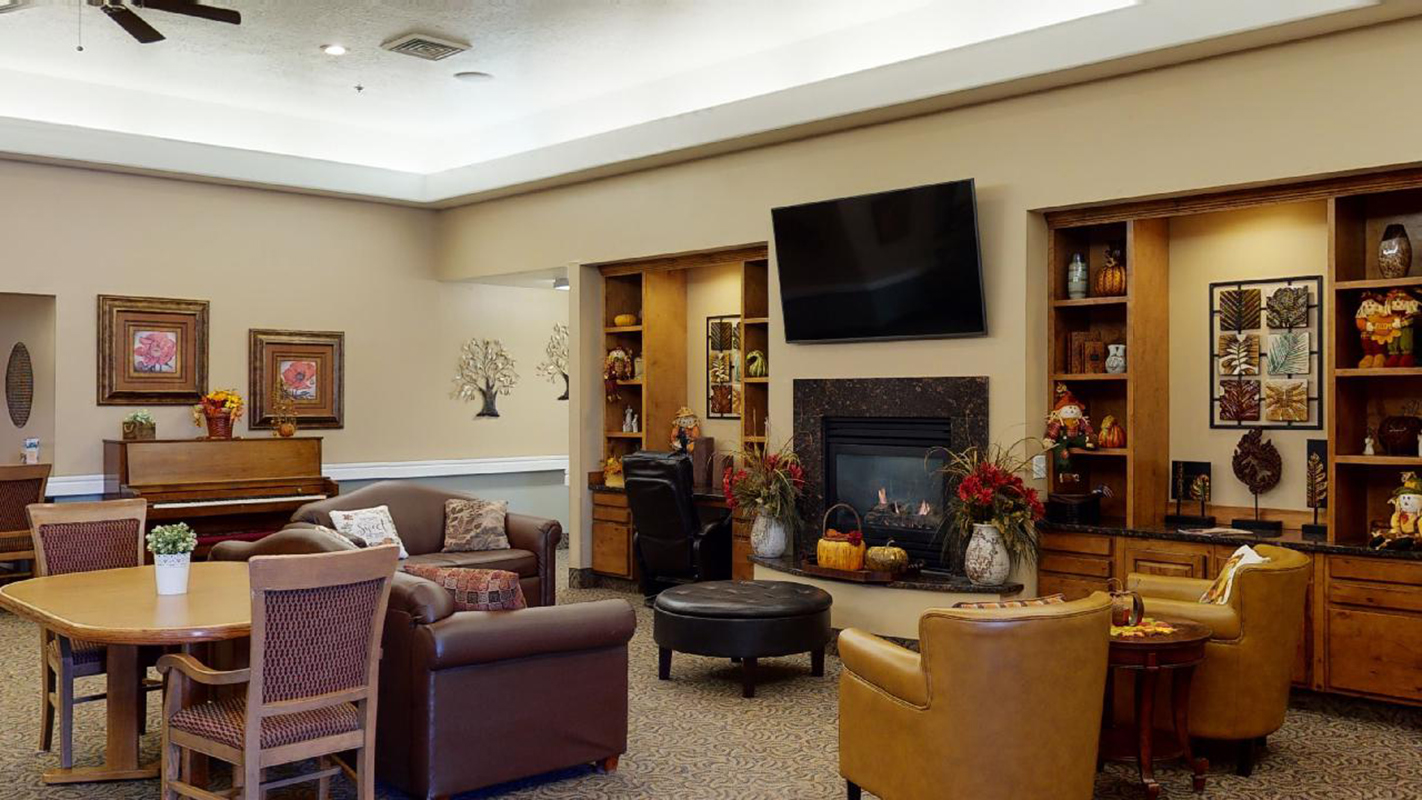
For relative, that social environment also relieves sense of guilt. It is a relief to understand a loved one is not investing lengthy stretches alone, waiting for someone to check in. Also when memory is failing, people still notice whether life around them feels alive.
Professional elder care can handle transforming demands more gracefully
Dementia is not static. Requirements change, occasionally slowly and sometimes all at once. An individual that only required tips in your home six months back might currently need help eating, showering, clothing, or acknowledging time and place. This progression can be mentally jarring for households since each new demand can feel like another loss.
Memory care staff are used to those shifts. That experience matters. They recognize that person might become upset when hurried throughout grooming, while another may stand up to help unless they are approached from the front and resolved by name. They understand that a resident who refuses lunch might in fact need aid recognizing the tray, or that somebody that appears combative may be anxious as opposed to angry.
This type of elder care is not almost tasks. It is about interpretation. Experienced caretakers find out the language behind the habits. They look at what a resident is attempting to interact, not just what they are doing externally. Households commonly locate this deeply encouraging because the setting does not stress when signs shift. It adapts.
That versatility additionally helps stay clear of the stopgap services families occasionally rely on at home. You might begin with a few reminders, after that a tablet coordinator, after that a caretaker, after that a home health visit, after that an emergency room journey after an autumn. Memory care is developed to take in a great deal of that escalating complexity in one place.
Families often come to be household again
One of the least discussed advantages of moving into memory care is what it provides for partnerships. When a partner or adult youngster becomes the main caregiver, the psychological dynamic can obtain twisted. Every visit can turn into a duty list. Every phone call comes to be an issue to solve. Love stays, however it obtains hidden under logistics.
Once a resident steps into a memory care home, families typically get a possibility to return to a more natural connection. Visitations can end up being gentler. You can rest together and look through old images without worrying about whether the oven is on. You can take pleasure in a mid-day walk in the courtyard as opposed to checking drug times. You can concentrate on link as opposed to constant correction.
That change does not eliminate despair. Absolutely nothing does that. However it can lower the resentment that often creates when family caregiving comes to be unsustainable. People usually feel guilty regarding even wanting relief. Yet respite care and long-term memory support are not signs of failing. They are acknowledgments of reality. A family members can refrain from doing every little thing, and attempting to do whatever can harm both the caregiver and the person obtaining care.
When the caregiving pressure lightens, families often show up better. They laugh much more. They pay attention a lot more. They are less defensive, much less diminished, and less most likely to suggest concerning every detail. That may be among the greatest benefits of all.

Meals, medicines, and individual care come to be extra reliable
The useful side of memory care is simple to ignore till something goes wrong in the house. Dishes are missed since the person claims they are not starving, or because they can not keep in mind whether they currently consumed. Medicines are missed out on or replicated. Showering becomes a struggle. Apparel options end up being weather-inappropriate since the person can not track the projection or the season.
Memory care homes develop trustworthy support around those day-to-day fundamentals. Nutrition is kept track of. Medicines are administered by qualified staff according to the care strategy. Hydration is encouraged throughout the day. Assistance with showering, grooming, toileting, and dressing is supplied level of sensitivity and privacy.
This consistency can make a noticeable difference in physical health and wellness. A senior that has actually been dropping weight in the house might start eating more consistently. A resident who was chronically dehydrated may come to be steadier. Skin problems, falls, and confusion connected to missed medicines may boost. Not every problem vanishes, obviously, due to the fact that dementia is complicated and commonly progressive. But the baseline is extra steady, and security matters.
Families sometimes take too lightly how much power dementia eats just to take care of the essentials. By the time morning meal is handled, a drug is ironed out, and a second attire is chosen since the very first one was saturated or mismatched, half the day is gone. In a memory care setup, those jobs are folded up into the rhythm of the day so the resident does not need to maintain reinventing each one.
Specialized atmospheres can lower confusion and anxiety
The physical design of a memory care home is more crucial than many individuals recognize. Lights, shade, flooring patterns, signage, and space format all impact exactly how conveniently a resident can relocate with the room. A hallway that really feels ordinary to a healthy and balanced grownup can really feel disorienting to a person with dementia. Representations, mess, or excessive sound can set off unease.
Good memory care communities focus on these details. They frequently use clear sightlines, protected outdoor spaces, acquainted signs, and simplified designs that help citizens orient themselves more quickly. Exclusive spaces and common areas are prepared to support both safety and self-respect. The goal is not to make the space really feel clinical. The goal is to make it readable.
respite careThat readability can lower tension for everyone. A resident that can extra conveniently locate the dining-room is less most likely to become annoyed or taken out. A person that can identify their very own door or follow a simple path to the yard may really feel extra independent than they performed in a bigger, a lot more confusing setup. Small ecological choices can have a surprisingly large psychological effect.
Respite for family members caretakers can transform the whole trajectory
Sometimes a move right into memory care takes place after a dilemma. Various other times households use respite care initially, either to evaluate the waters or to recoup from caretaker burnout. A brief remain can be incredibly interesting. It shows how a loved one reacts to a new routine, exactly how they endure organized assistance, and how much of the daily concern the family members has been lugging without recognizing it.
Caregiver burnout is not a small problem. It can show up as irritation, insomnia, guilt, frustrations, constant worry, or a feeling of dread every time the phone rings. It can additionally lead to rushed decisions and strained partnerships. Having accessibility to respite care with a memory care area provides family members taking a breath area. In some cases that breathing room confirms that home is still convenient for now. In some cases it reveals that the household has actually been operating far past capacity.
Either method, the relief is genuine. A little girl that has actually not rested via the evening in weeks may lastly relax. A spouse that has been attempting to deal with every dish, shower, and medicine round might get an opportunity to consume without disturbance. Those breaks are not deluxes. They are part of sustainable senior care.
The action can be mentally tough and still be the best choice
It would certainly be dishonest to make believe that moving right into memory care is always simple or welcome. Several senior citizens withstand the concept in the beginning, specifically if they still have moments of quality. Family members may battle with the timing. There might be tears, temper, bargaining, and second-guessing. All of that can happen also when the step is clearly the safest option.
What helps most is sincerity. The choice is normally much less concerning surrendering and a lot more about picking the ideal atmosphere for the present fact. A loved one with memory loss might still have many great years ahead, however those years commonly require a kind of support that home can no more accurately give. A memory care home offers that support in a setting built around the real challenges of cognitive decline.
If you are comparing neighborhoods, the distinctions deserve paying attention to. Staff training, nighttime supervision, activity top quality, eating assistance, family interaction, and the general tone of the area matter a lot. When people search for memory care near me or senior living near me, they are not simply looking for a building. They are looking for the right fit, one that matches the person's demands and preserves as much comfort as possible.
What family members have a tendency to notice after the move
The adjustments after a relocation are not constantly significant, and they do not take place on a cool timetable. Still, households often see a few usual shifts within the very first several weeks. Your house really feels quieter. There are less emergencies. Medicine tips are no longer a resource of panic. Rest enhances for the caregiver. Visits begin to feel even more like visits again.
Some homeowners become calmer once the confusion of home life eases. Others take even more time to clear up in, particularly if they are utilized to finish freedom or if memory loss makes modification feel threatening. Good communities anticipate that adjustment period and overcome it patiently. They do not treat initial resistance as the last word.
What matters most is the viewpoint. Memory care is not regarding making life best. It has to do with making life more secure, steadier, and more gentle for someone whose mind no more provides the very same devices it as soon as did. It is about lowering unneeded struggle. It has to do with maintaining dignity while meeting extremely actual needs.
For many families, that ends up being the factor where regret gives way to relief. Not because the scenario is simple, but because the daily experience finally makes sense.
BeeHive Homes of Draper provides assisted living care
BeeHive Homes of Draper provides memory care services
BeeHive Homes of Draper provides respite care services
BeeHive Homes of Draper supports assistance with bathing and grooming
BeeHive Homes of Draper offers private bedrooms with private bathrooms
BeeHive Homes of Draper provides medication monitoring and documentation
BeeHive Homes of Draper serves dietitian-approved meals
BeeHive Homes of Draper provides housekeeping services
BeeHive Homes of Draper provides laundry services
BeeHive Homes of Draper offers community dining and social engagement activities
BeeHive Homes of Draper features life enrichment activities
BeeHive Homes of Draper supports personal care assistance during meals and daily routines
BeeHive Homes of Draper promotes frequent physical and mental exercise opportunities
BeeHive Homes of Draper provides a home-like residential environment
BeeHive Homes of Draper creates customized care plans as residents’ needs change
BeeHive Homes of Draper assesses individual resident care needs
BeeHive Homes of Draper accepts private pay and long-term care insurance
BeeHive Homes of Draper assists qualified veterans with Aid and Attendance benefits
BeeHive Homes of Draper encourages meaningful resident-to-staff relationships
BeeHive Homes of Draper delivers compassionate, attentive senior care focused on dignity and comfort
BeeHive Homes of Draper has a phone number of (801) 495-3100
BeeHive Homes of Draper has an address of 711 Pioneer Rd, Draper, UT 84020
BeeHive Homes of Draper has a website https://beehivehomes.com/locations/draper/
BeeHive Homes of Draper has Google Maps listing https://maps.app.goo.gl/LgtrXf95hQFVgKrY8
BeeHive Homes of Draper has Facebook page https://www.facebook.com/BeeHiveDraper/
BeeHive Homes of Draper won Top Assisted Living Homes 2025
BeeHive Homes of Draper earned Best Customer Service Award 2024
BeeHive Homes of Draper placed 1st for Utah Senior Living Communities 2025
People Also Ask about BeeHive Homes of Draper
What is BeeHive Homes of Draper Living monthly room rate?
Our monthly rates for both Assisted Living and Memory Care at BeeHive Homes of Draper are thoughtfully designed to be all-inclusive. While pricing reflects each resident’s unique care needs, families appreciate that once a rate is established, it remains stable - no hidden fees or surprise increases as care evolves. We believe in clarity, consistency, and peace of mind
Can residents stay in BeeHive Homes of Draper until the end of their life?
In many cases, yes. We are honored to support residents throughout their journey, including end-of-life care, right here in the comfort of our Draper home. There are rare occasions when medical needs exceed our licensing (such as 24-hour skilled nursing) but we’ll always guide families through any transition with care and compassion
Do we have a nurse on staff?
Yes, we do. Our Registered Nurse, Jacque Parker, R.N., works closely with local home health nurses and house-call physicians to coordinate excellent care. This collaboration allows us to meet a wide range of health needs right here at home
What are BeeHive Homes of Draper's visiting hours?
We know how important it is to stay close to loved ones. That’s why visiting hours at our Draper home are flexible and designed around what works best for the resident. You’re welcome to visit during the day... just try not to come to early and stay too late
Do You Offer Rooms for Couples?
Yes, we do! BeeHive Homes of Draper offers select suites for couples who wish to continue living together while receiving care. These shared accommodations preserve comfort and connection while ensuring both individuals get the personalized support they need. Availability is limited, so reach out to learn more
Do You Provide Senior Day Care or Respite Services?
Absolutely. Our senior day care and short-term respite care options are perfect for families who need extra help during the day or while traveling. Guests enjoy the same high-quality care, engaging activities, and home-cooked meals as our full-time residents, all in a safe, social environment. We’ll help you find a care plan that fits your schedule and your loved one’s needs.
What’s the Difference Between Assisted Living and Memory Care?
Assisted living is best for seniors who benefit from help with daily activities but still enjoy socializing and independence. Memory care is a more structured service tailored to individuals with Alzheimer’s or other cognitive conditions, with routines, guidance, and security that support safety and emotional well-being.
Where is BeeHive Homes of Draper located?
BeeHive Homes of Draper is conveniently located at 711 Pioneer Rd, Draper, UT 84020. You can easily find directions on Google Maps or call at (801) 495-3100 Monday through Sunday Open 24 hours
How can I contact BeeHive Homes of Draper?
You can contact BeeHive Homes of Draper by phone at: (801) 495-3100, visit their website at https://beehivehomes.com/locations/draper/ or connect on social media via Facebook
The Draper Historical Society provides an engaging local history experience that families enjoying Assisted living, memory care, senior care, elderly care, and respite care often appreciate.